Explore the Wonders of Serengeti National Park, Tanzania
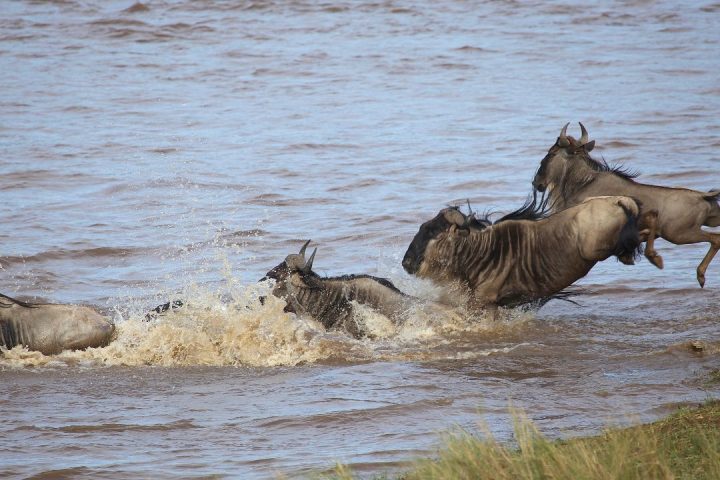
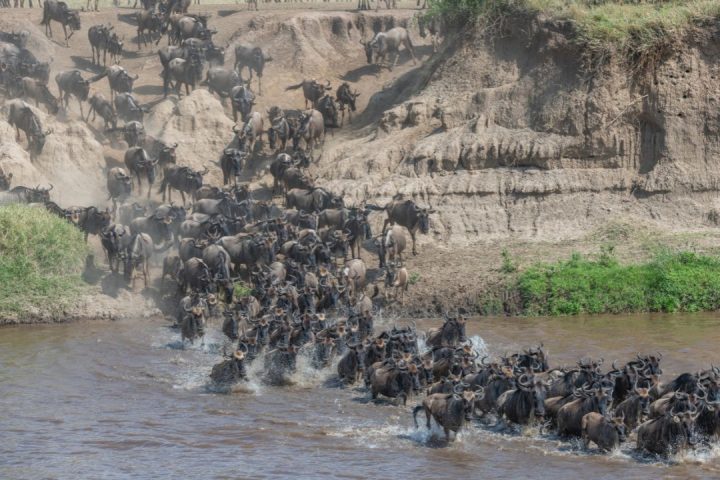
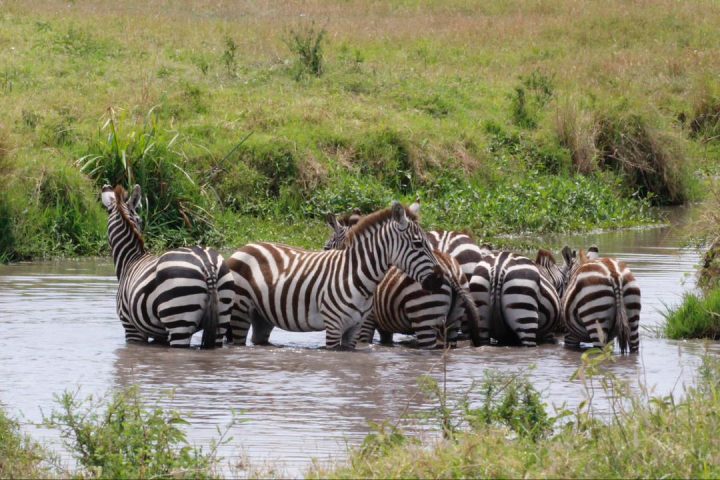
The Serengeti National Park is a world-renowned destination that captures the essence of Africa’s untamed wilderness. Located in northern Tanzania, this UNESCO World Heritage Site spans over 14,750 square kilometers of sprawling savannahs, golden grasslands, and rocky outcrops, offering landscapes as breathtaking as they are diverse. Home to an extraordinary array of wildlife, the Serengeti is famous for the Great Migration, a spectacular natural event where millions of wildebeest, zebras, and gazelles traverse the plains in search of greener pastures. This annual migration, accompanied by predators such as lions, cheetahs, and crocodiles, makes the Serengeti a true haven for wildlife enthusiasts and photographers.
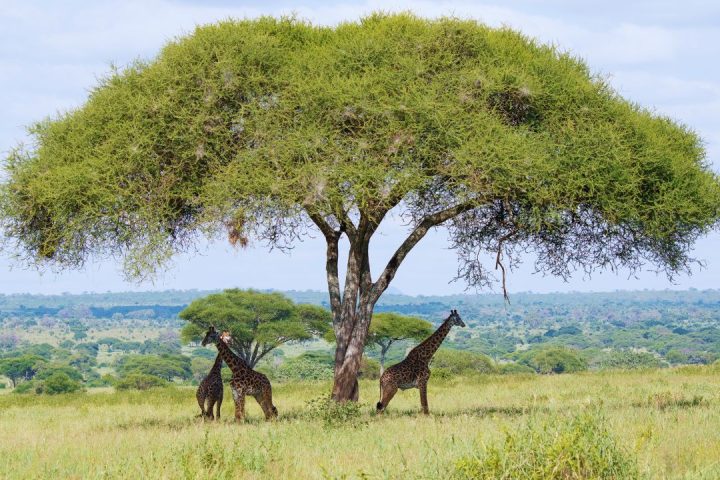
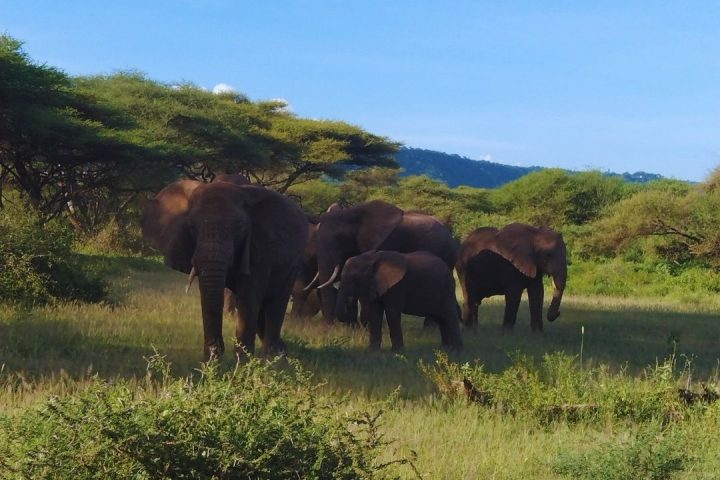
Beyond the migration, the Serengeti is a year-round safari destination brimming with unique experiences. Its rich biodiversity supports the Big Five—lion, leopard, elephant, buffalo, and rhino—alongside over 500 bird species and countless other animals. The park’s varied landscapes, from the acacia-dotted Seronera Valley to the remote northern regions and the iconic Moru Kopjes, offer endless opportunities for exploration. Whether marveling at a lion pride under a blazing sunset, observing elephants at a waterhole, or enjoying a hot-air balloon safari over the plains, the Serengeti promises unforgettable adventures that connect visitors with nature in its most raw and beautiful form.
Where is the Serengeti National Park located?
The Serengeti National Park is located in northern Tanzania, spanning the Mara and Simiyu regions. It lies near the border with Kenya, connecting to the Maasai Mara National Reserve to create a vast transboundary ecosystem. Covering approximately 14,750 square kilometers, the park is part of the Serengeti ecosystem, one of the oldest and most complex ecosystems on Earth.
Positioned about 335 kilometers west of Arusha, the Serengeti is easily accessible by road or air. Its central location within East Africa makes it a prime destination for visitors seeking to experience Tanzania’s rich biodiversity and dramatic landscapes. This iconic park is a cornerstone of Tanzania’s Northern Safari Circuit, attracting travelers from around the globe for unforgettable Serengeti safari adventures.
Custom Map
A month by Month Guide
What is the best month to visit the Serengeti?
The best time to visit Serengeti National Park depends on what wildlife experiences you want to enjoy. The Serengeti offers exciting safari opportunities year-round, but certain months are ideal for specific activities like the Great Migration, predator sightings, or birdwatching.
Dry Season (June – October)
The dry months from June to October are perfect for game viewing as animals gather around water sources, making them easier to spot. This period also coincides with cooler, sunny days — ideal for photography safaris and hot-air balloon rides.
Migration Season (January – March & July – September)
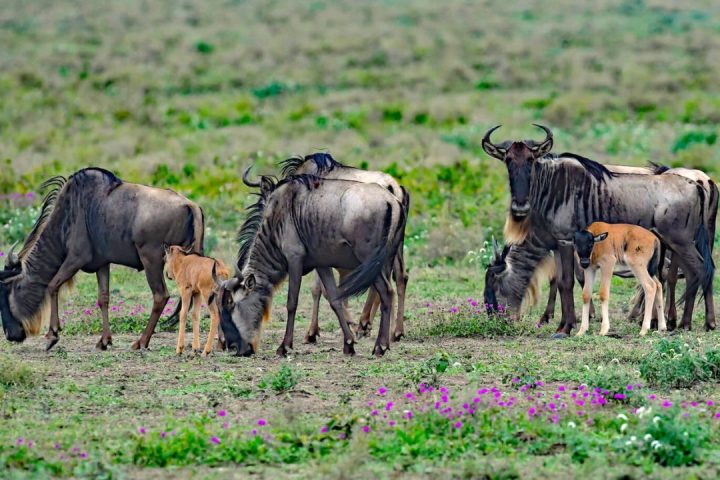
January to March: The southern Serengeti and Ndutu region are bustling with newborn wildebeest and predator activity during the calving season.
July to September: The northern Serengeti and Mara River crossings are the highlights, offering dramatic wildlife encounters and some of the most iconic safari moments.
Wet Season (November – May)
The wet season, from November to May, brings lush green landscapes and excellent birdwatching opportunities, including migratory species. While roads can be muddy in some areas, this period is perfect for travelers seeking fewer crowds and a more intimate safari experience.
In summary:
Best overall months: June – October
Great Migration (south to north): January – March & July – September
Birdwatching & fewer tourists: November – May
No matter when you visit, Serengeti National Park Tanzania promises unforgettable wildlife encounters and landscapes that are truly spectacular.
Why visit Serengeti National Park
The Great Wildebeest Migration
The Serengeti National Park offers an unparalleled safari experience, showcasing breathtaking landscapes, abundant wildlife, and the iconic Great Wildebeest Migration—a mesmerizing spectacle of millions of animals traversing the plains, providing unforgettable encounters with nature’s raw beauty and drama.
Explore the Wild
Our Top Safari Picks
7-Day Mara River Crossing Safari: The Great Migration Experience
Tour Duration: 7 Days
Destinations: Tarangire, Ngorongoro Crater, and Serengeti National Park

 English
 German
 French