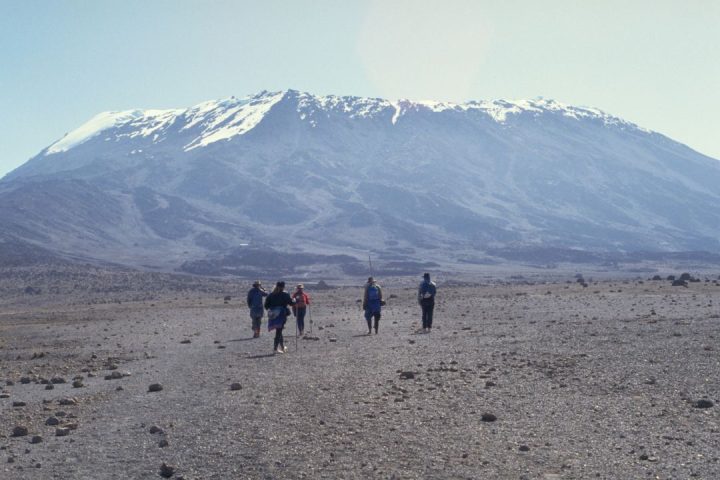
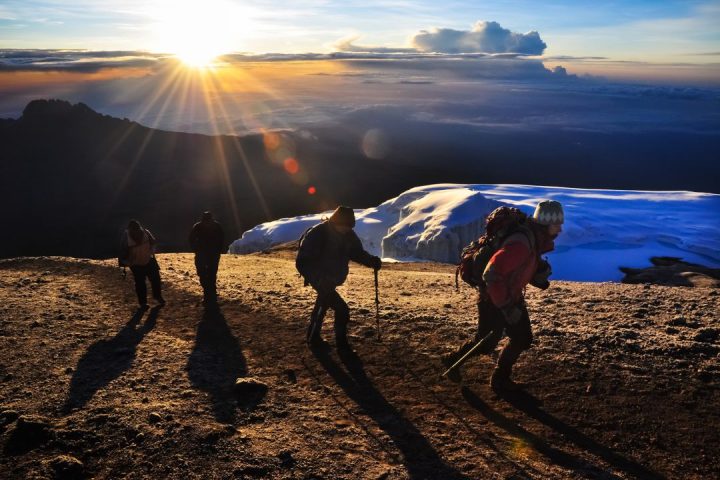
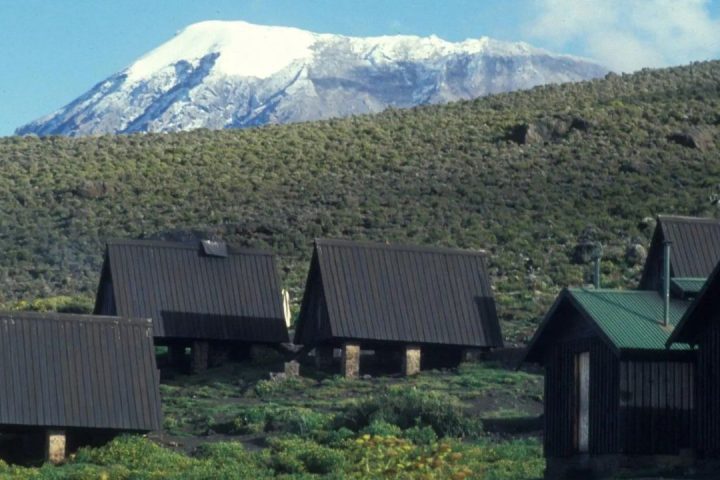
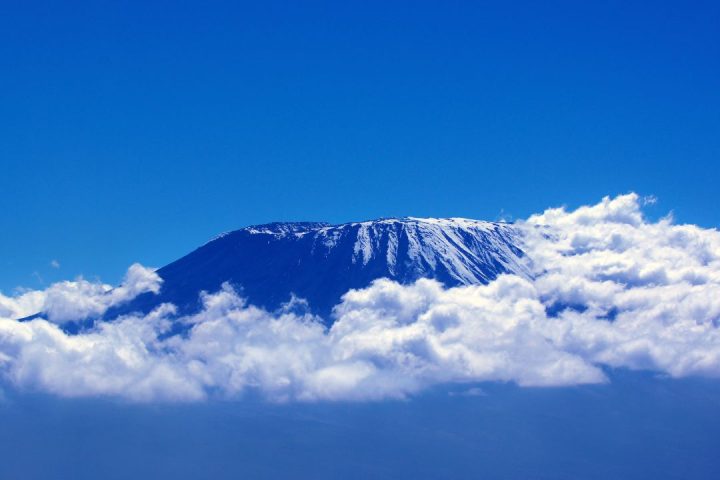
Mount Kilimanjaro is Africa’s highest peak, rising 5,895 meters (19,341 feet) above sea level. This legendary stratovolcano, located in northern Tanzania, stands as one of the world’s most iconic natural landmarks and a dream destination for adventurers and trekkers from across the globe. Its snow-capped summit and diverse ecosystems from tropical rainforest to alpine desert and icy glaciers offer one of the most extraordinary trekking experiences on Earth.
Climbing Kilimanjaro isn’t just a physical challenge it’s a journey through five distinct ecological zones, each revealing its own breathtaking scenery, flora, and fauna. Whether you’re ascending through the lush rainforest, crossing moorlands dotted with giant groundsels, or watching the sunrise over Africa from Uhuru Peak, the experience is truly life-changing.
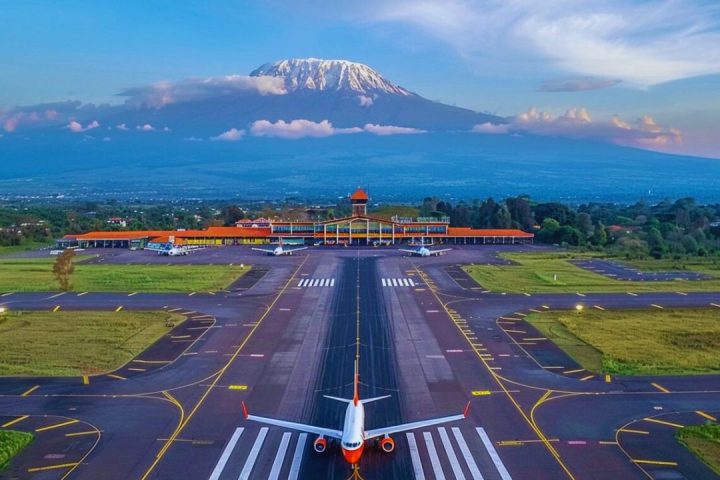
Mount Kilimanjaro is located in northeastern Tanzania, near the border with Kenya, within Kilimanjaro National Park, a UNESCO World Heritage Site. The nearest major town is Moshi, about 45 kilometers from Kilimanjaro International Airport (JRO), making it easily accessible for international travelers.
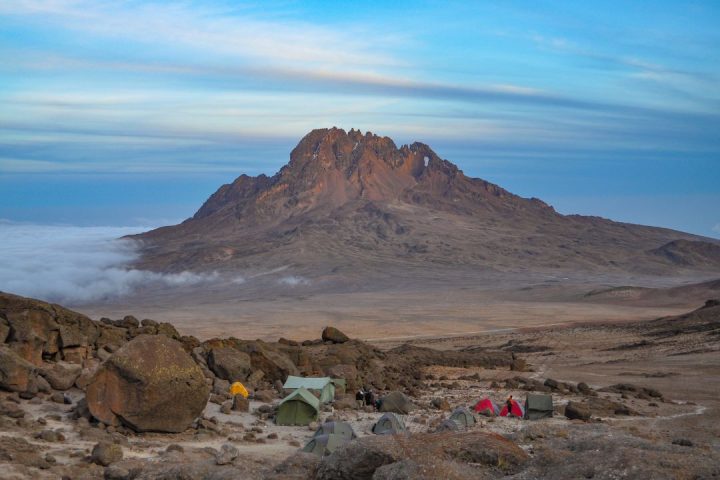
The mountain consists of three volcanic cones—Kibo, Mawenzi, and Shira—with Kibo hosting Uhuru Peak, the highest point in Africa. The surrounding national park is home to a variety of wildlife, including colobus monkeys, buffalo, bushbucks, and rare bird species, making every climb a scenic and immersive experience.
Mount Kilimanjaro can be climbed year-round, but the best trekking seasons are during the dry months when weather conditions are stable, and views are clearest.
Dry Season (June – October & December – February)
Wet Season (March – May & November)
Summary:
Best time to climb: June – October and December – February
Avoid heavy rains: March – May
Climbing Mount Kilimanjaro is a bucket-list experience that combines adventure, personal achievement, and stunning natural beauty. Trekkers enjoy breathtaking landscapes, star-filled night skies, and the incredible feeling of standing atop the Roof of Africa.
Each route—such as Machame, Marangu, Lemosho, Rongai, and Northern Circuit—offers its own charm, difficulty level, and scenic highlights, allowing climbers to choose an experience that fits their goals and fitness levels.
🥾 1. Machame Route – The Scenic Adventure Route
Known as the “Whiskey Route,” Machame is the most popular and scenic trail on Mount Kilimanjaro. It offers diverse landscapes, from lush rainforests to rocky ridges and glaciers, with breathtaking views of Mount Meru and the Shira Plateau.
Best For: Adventurous climbers seeking a balance of beauty and challenge
Highlights:
Trek through stunning valleys, camp under the stars, and experience the striking Barranco Wall — one of Kilimanjaro’s most memorable climbs.
🌿 2. Marangu Route – The Classic “Coca-Cola” Route
The Marangu Route is the only path with hut accommodations instead of tents, making it popular among climbers who prefer comfort. It’s also the oldest and most established route, offering a direct path to the summit.
Best For: Trekkers who prefer a shorter, more comfortable climb
Highlights:
Stay in mountain huts, follow a steady trail through rainforests and moorlands, and enjoy a classic Kilimanjaro experience.
🌄 3. Lemosho Route – The Most Beautiful and Successful Route
Regarded as one of the most scenic and well-balanced routes, Lemosho offers excellent acclimatization and panoramic views. It begins on the western side of Kilimanjaro and joins the Machame Route near the Shira Plateau.
Best For: Trekkers seeking the best combination of beauty, success rate, and fewer crowds
Highlights:
Cross stunning landscapes, enjoy excellent wildlife viewing on the lower slopes, and experience gradual altitude gain for better acclimatization.
🏕️ 4. Rongai Route – The Northern Wilderness Route
The Rongai Route approaches Kilimanjaro from the northern side, near the Kenya border. It offers a quiet, off-the-beaten-path experience with gentle gradients and spectacular views.
Best For: Climbers seeking solitude and a unique perspective of the mountain
Highlights:
Dryer climate, fewer trekkers, and scenic views across the Kenyan plains. Ideal during the rainy season.
⛰️ 5. Northern Circuit Route – The Longest and Most Complete Trek
The Northern Circuit is Kilimanjaro’s newest and longest route, offering an incredible 360° circumnavigation of the mountain. It has the highest success rate due to its excellent acclimatization profile.
Best For: Trekkers who want the ultimate Kilimanjaro experience with minimal crowds
Highlights:
Panoramic views from every side of the mountain, gradual ascent, and exceptional acclimatization opportunities.
🌋 6. Shira Route – The High-Altitude Scenic Trail
Starting from the Shira Plateau, this route overlaps with Lemosho after the first day. It’s less used because it begins at a higher elevation, which may affect acclimatization if not planned carefully.
Best For: Experienced trekkers comfortable with higher altitudes from the start
Highlights:
Expansive plateau views, diverse terrain, and dramatic sunsets over the western slopes.
✨ Which Kilimanjaro Route is Best for You?
| Route | Duration | Difficulty | Best Feature | Success Rate |
|---|---|---|---|---|
| Machame | 6–7 days | Challenging | Scenic variety | High |
| Marangu | 5–6 days | Moderate | Huts & comfort | Moderate |
| Lemosho | 7–8 days | Moderate–Hard | Most scenic & high success | Very High |
| Rongai | 6–7 days | Moderate | Quiet northern approach | High |
| Northern Circuit | 8–9 days | Moderate | Best acclimatization | Very High |
| Shira | 7–8 days | Challenging | High-altitude start | High |
🧭 Expert Tip from Nayla African Safaris
If it’s your first climb, the Lemosho Route is highly recommended for its beauty, fewer crowds, and excellent acclimatization. For seasoned trekkers, the Machame or Northern Circuit routes deliver the most rewarding experiences.

 English
 German
 French