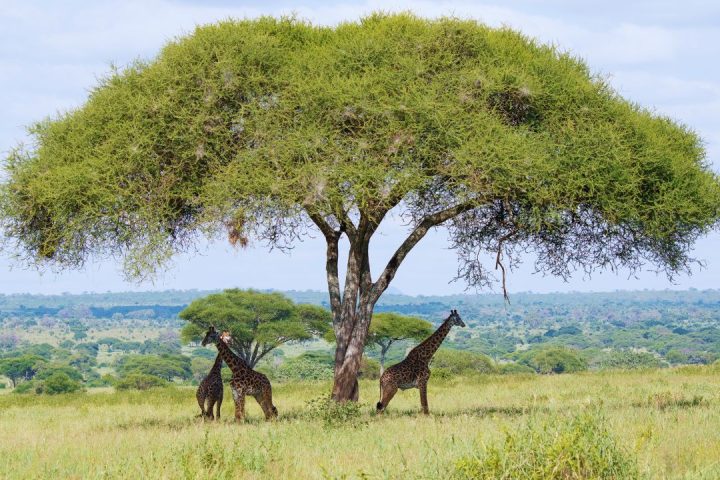
Tarangire National Park: A Wildlife Safari in Northern Tanzania
Lake Manyara National Park is a small but spectacular park in northern Tanzania, famous for its diverse ecosystems, stunning landscapes, and abundant wildlife. From the shimmering alkaline lake to the acacia forests and escarpment cliffs, Lake Manyara offers a compact safari experience perfect for travelers looking for wildlife diversity and scenic beauty.
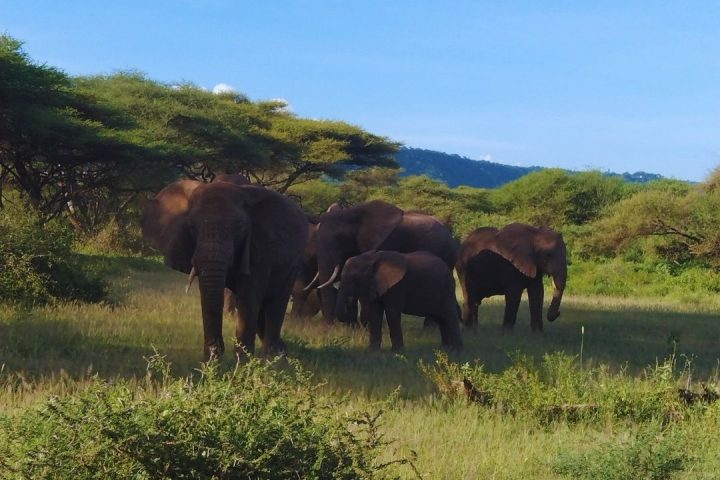
The park is renowned for its tree-climbing lions, large herds of elephants, flamingos along the lake, and hundreds of bird species. Its variety of habitats — from grasslands and marshes to dense forests — makes it a year-round safari destination, ideal for photographers, nature lovers, and first-time safari-goers alike.
Where is Lake Manyara National Park
Lake Manyara National Park is located in northern Tanzania, at the base of the Great Rift Valley escarpment, approximately 126 kilometers from Arusha. The park stretches along the southern shore of Lake Manyara, which gives the park its name and provides a vital water source for wildlife.
Lake Manyara is a key part of Tanzania’s Northern Safari Circuit, often combined with Tarangire, Serengeti, and Ngorongoro Crater safaris. Its close proximity to Arusha makes it an accessible option for travelers seeking a short safari experience without compromising on wildlife sightings.
A month by Month Guide
Best Time to Visit Lake Manyara National Park
The best months to visit Lake Manyara depend on your wildlife interests:
Dry Season: June – October
During the dry months, wildlife gathers near water sources, making game viewing easier. The skies are clear, temperatures are moderate, and conditions are perfect for photography and safaris.
Wet Season: November – May
The wet season brings lush green scenery and excellent birdwatching, including flamingos and migratory species. While some roads may be muddy, this period offers fewer tourists and serene wildlife experiences.
Summary:
Best overall: June – October
Birdwatching & fewer crowds: November – May
Why Visit Lake Manyara National Park
Tree-Climbing Lions and Flamingo Spectacles
Lake Manyara National Park offers a one-of-a-kind safari with tree-climbing lions, vast flamingo flocks, and thriving elephant populations. Its diverse habitats allow visitors to witness a wide range of wildlife in a relatively small area, making it ideal for intimate safari encounters and photography.
Explore the Wild
Our Top Safari Picks
7-Day Mara River Crossing Safari: The Great Migration Experience
Tour Duration: 7 Days
Destinations: Tarangire, Ngorongoro Crater, and Serengeti National Park

 English
 German
 French