Tarangire National Park: A Wildlife Safari in Northern Tanzania
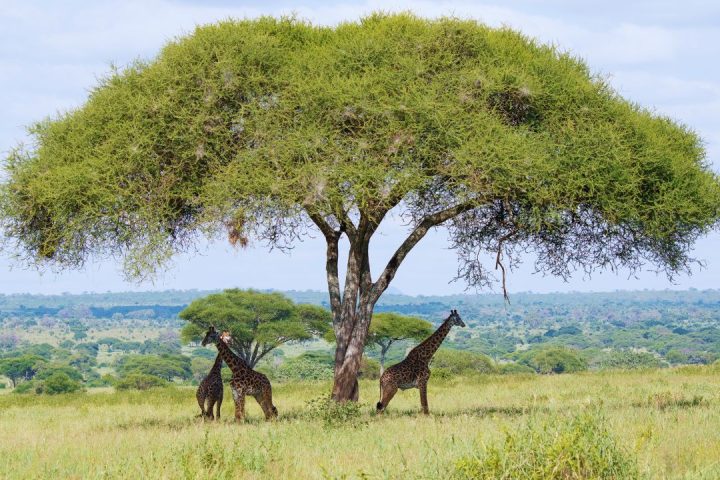
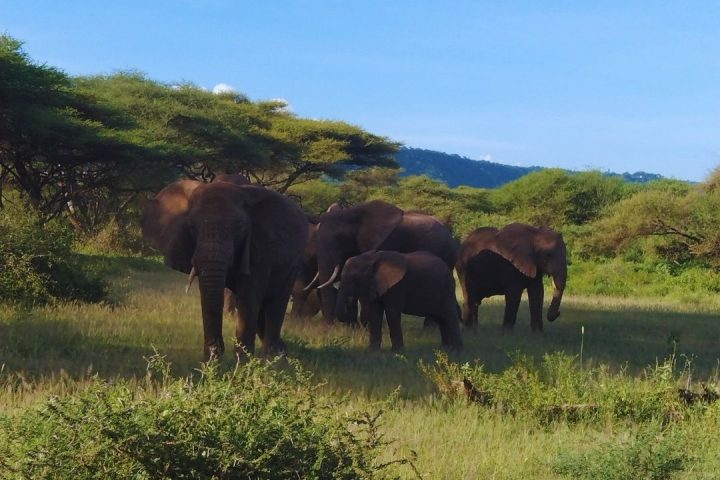
Tarangire National Park is one of Tanzania’s most remarkable safari destinations, offering a unique wildlife experience away from the crowds. Located in northern Tanzania, the park covers approximately 2,850 square kilometers of diverse landscapes — from baobab-studded plains and rolling hills to riverine forests and seasonal swamps. Famous for its large elephant herds and seasonal migrations, Tarangire is ideal for wildlife enthusiasts, photographers, and adventure travelers seeking authentic safari experiences.
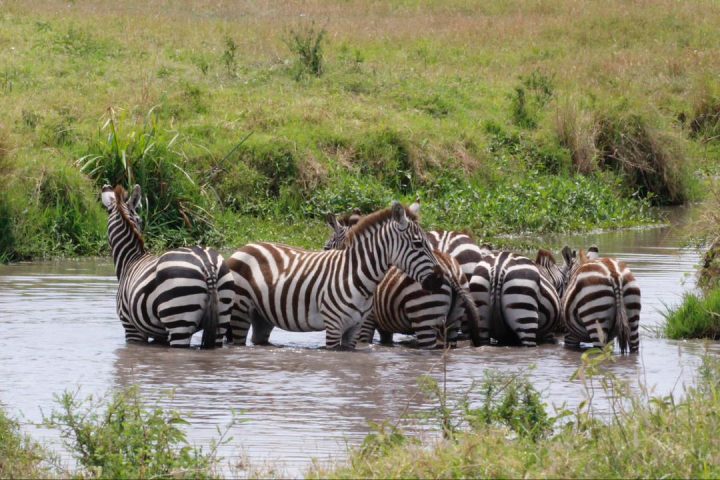
Beyond elephants, Tarangire hosts lions, leopards, giraffes, zebras, and over 500 bird species. The Tarangire River becomes the lifeline for wildlife during the dry season, creating exceptional opportunities for game viewing. Whether observing elephants beneath iconic baobabs, photographing hippos at sunset, or exploring on a guided safari, Tarangire guarantees unforgettable encounters with Africa’s wild beauty.
Where is Tarangire National Park?
Tarangire National Park is situated in northern Tanzania’s Manyara region, about 120 kilometers southeast of Arusha. The park stretches along the Tarangire River, which supports its thriving wildlife populations during the dry season.
Easily accessible by road from Arusha, Tarangire is a key part of Tanzania’s Northern Safari Circuit, often combined with visits to Lake Manyara, Serengeti, and Ngorongoro Crater. Its convenient location makes it ideal for travelers seeking a short safari getaway or as the first stop on a multi-park adventure.
Tarangire National Park Map
A month by Month Guide
Best Time to Visit Tarangire National Park
The best months to visit Tarangire depend on the wildlife experience you want:
Dry Season: June – October
This is the peak safari season, perfect for game viewing as animals gather around the Tarangire River. Sunny days, cooler temperatures, and clear skies make it ideal for photography and wildlife spotting.
Wet Season: November – May
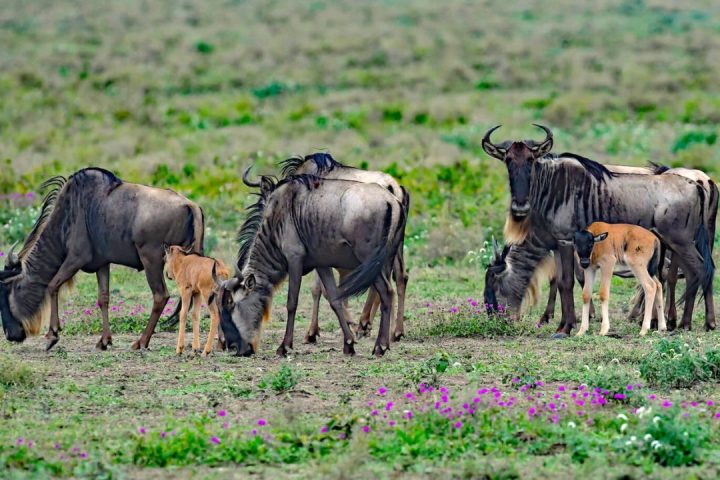
During the wet season, Tarangire transforms into a lush, green paradise, attracting migratory birds and showcasing newborn calves of many species. Roads may be muddy, but the park offers a quieter, more serene safari experience.
Summary:
Best overall: June – October
Birdwatching & fewer crowds: November – May
Why visit Tarangire National Park
Iconic Elephant Herds and Baobab Landscapes
Tarangire National Park offers a unique safari experience with its vast herds of elephants, iconic baobab-studded landscapes, and rich birdlife. Visitors enjoy intimate wildlife encounters in a less crowded setting, making it an ideal destination for authentic Tanzanian safari adventures.
Explore the Wild
Our Top Safari Picks
7-Day Mara River Crossing Safari: The Great Migration Experience
Tour Duration: 7 Days
Destinations: Tarangire, Ngorongoro Crater, and Serengeti National Park

 English
 German
 French